
Please find below a Safety Alert from the HSE Unit : SAFETY ALERT

Apple has determined that, in a limited number of older generation 15-inch MacBook Pro units, the battery may overheat and pose a fire safety risk.
Affected units were sold primarily between September 2015 and February 2017 and product eligibility is determined by the product serial number.
Please check this URL to confirm whether your MacBook Pro is concerned or not: https://support.apple.com/15-inch-macbook-pro-battery-recall.
If you have that model, enter your computer's serial number below to see if it is eligible for this program.
For more information on Li batteries – please, see https://hse.cern/news-article/safe-charging-portable-lithium-batteries.
HSE Unit
———————————————————-
Apple a déterminé que, sur un nombre limité d’unités plus anciennes de MacBook Pro 15 pouces, la batterie risque de surchauffer et poser des problèmes de sécurité.
Les unités concernées ont principalement été vendues entre septembre 2015 et février 2017 et l’éligibilité du produit est déterminée par son numéro de série.
Merci de bien vouloir vous rendre sur cette URL pour confirmer si votre MacBook Pro est affecté ou non: https://support.apple.com/fr-fr/15-inch-macbook-pro-battery-recall
Si votre MacBook Pro est éligible, veuillez cesser de l’utiliser et suivez les instructions ci-dessus pour faire remplacer votre batterie.
Pour plus d’information sur les batteries Lithium, voir: https://hse.cern/fr/news-article/batteries-portables-au-lithium-charger-en-toute-securite
Unité HSE
Also On At CERN
-

Six rules to avoid cycling accidents
To go further, follow the e-learning course: “Road traffic – Bike Riding“ Pour aller plus loin, suivez le cours e-learning “Circulation routière – Rouler à vélo“ Also On At CERN
-
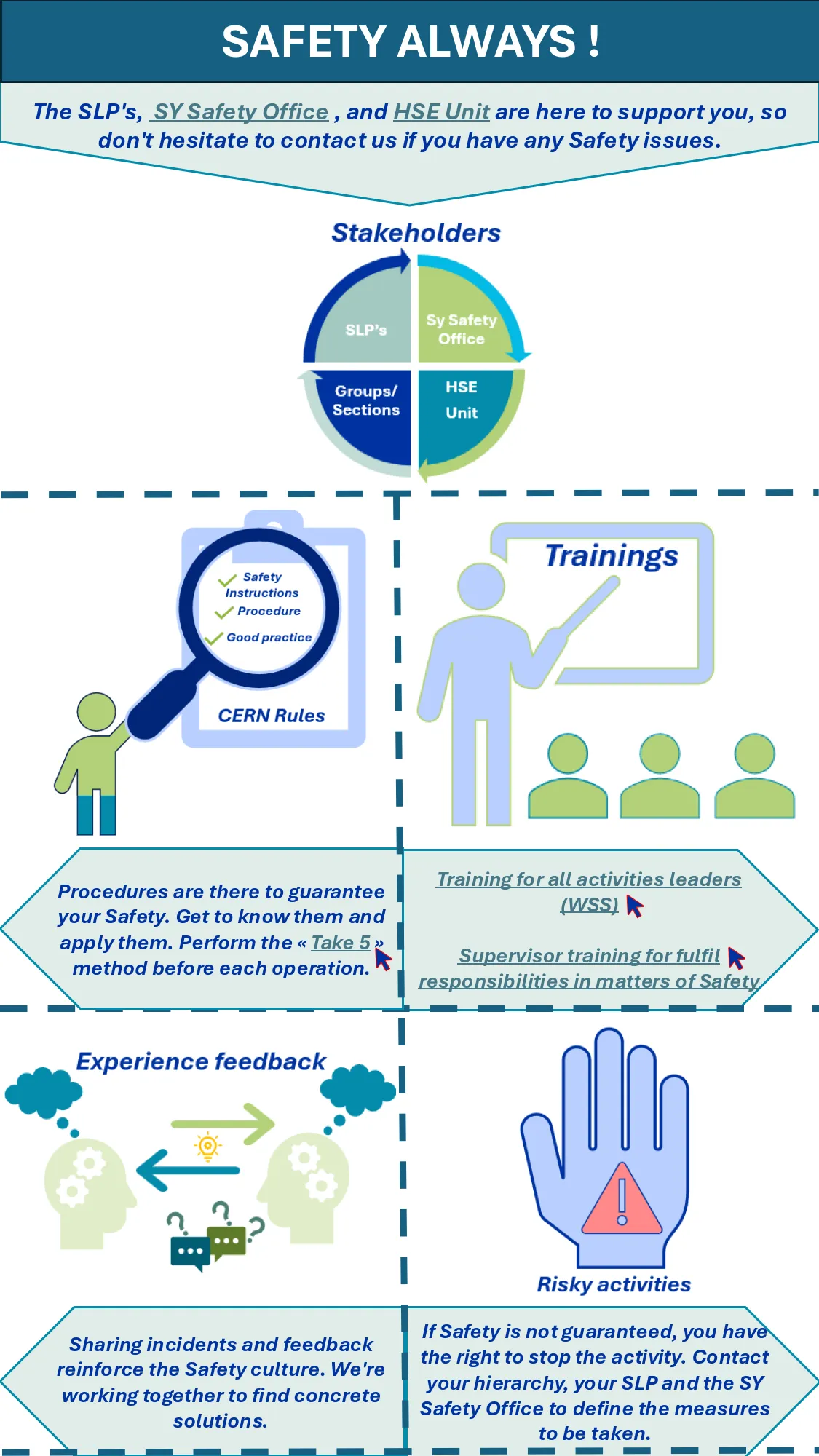
Safety always
Links: SY Safety Office HSE unit Method “Take 5“ Training for all activities leaders (WSS) Supervisor training for fulfil responsibilities in matters of Safety Also On At CERN
-
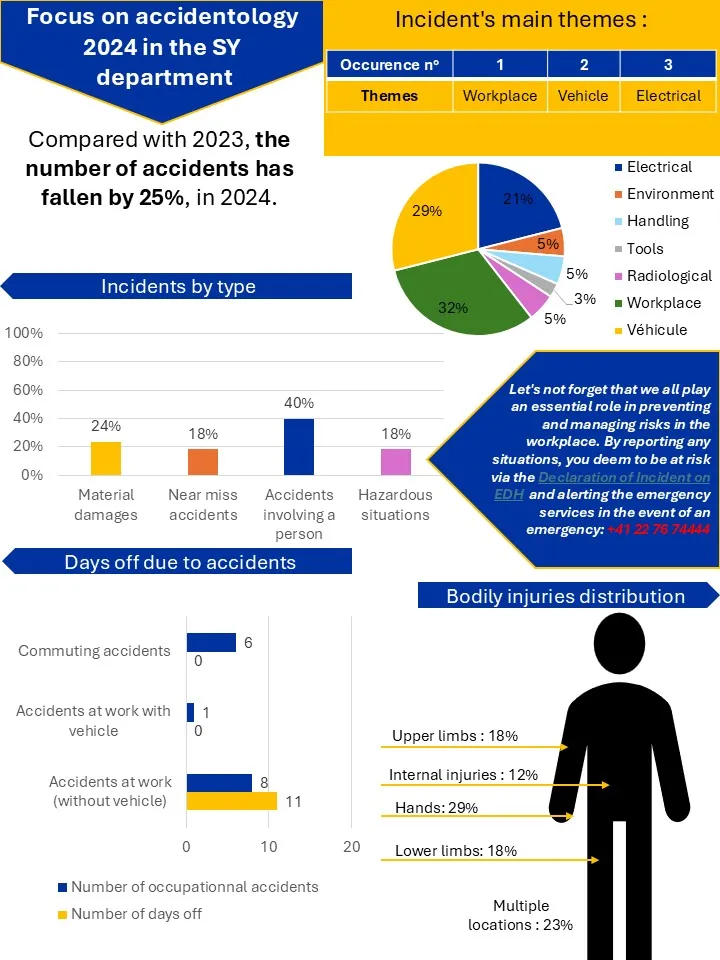
Focus on accidentology 2024 in the SY Department
EDH Incident declaration Also On At CERN
-
Incident declaration
All Safety Incidents occurring on the CERN site or related to CERN activities must be declared. This includes commuting accidents. The responsibilities in matters of safety incident management at CERN are specified in the Safety Regulation SR-SIM available on https://hse.cern/rules. The procedures related to the declaration of Safety Incidents are detailed in the admin e-guide.…
-
In an emergency, every second counts
Become an actor in case of medical emergency! Sign-up on the CERN’s Learning Hub for the “First Aid – Life Saving Actions (LSA) ” training. In this 3-hour course, you will learn who to deal with emergency situations: protect, alert and perform essential first aid actions. The French Federation of Cardiology estimates that each minute…
-
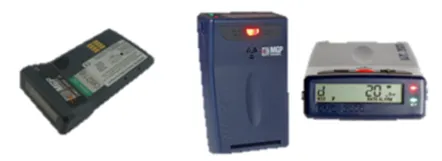
Radiological reminder – Visits nonprofessional and professional ionising radiation areas
For all types of visits on “supervised” areas and professional visits on “supervised” an “controlled” areas, according to General Safety Instruction GSI-SH-1 EDMS 1137263, the escort shall wear his passive dosimeter DIS and activate an Operational dosimeter DMC from the beginning of the visit, with dedicated IMPACT – Professional visit, which has first been validated…
-

What is your security behavior? Evaluate your safety culture
Do you apply the necessary measures for your safety and that of your loved ones (colleagues, family…)? Take this test to assess your safety culture and list your progress! Only one answer per question is possible. Write down your answers and you can determine your profile with the results at the end of the questionnaire!…
-
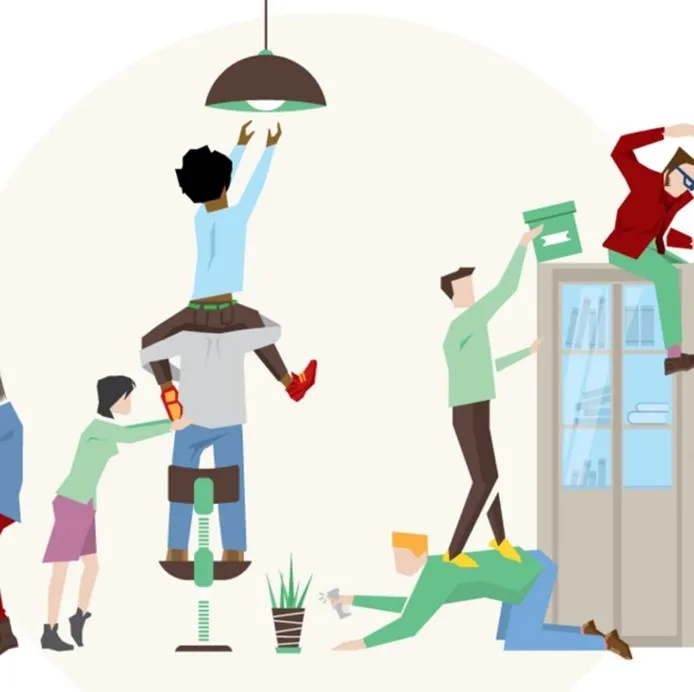
From tidying up the workspace to a healthy, risk-free working environment
Did you know that objects left on the floor are one of the main causes of accidents at home and at work? Although they may appear harmless, objects that are stored incorrectly or on pathways can be the cause of colisions, falls and slips that can have serious consequences for your health. Although these accidents…
-
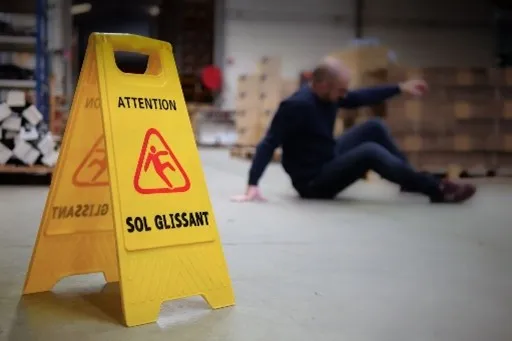
Falls occuring at same level
Saviez-vous qu’au cours de ces deux dernières années, les chutes de plain-pied (glissades, trébuchements, faux-pas et autres pertes d’équilibre sur une surface plane) représentent la 3ème cause principale d’accidents au CERN. Ces chutes surviennent aussi bien à l’intérieur qu’à l’extérieur des locaux. Avec une part de 12% de l’ensemble des accidents répertoriés, cette catégorie d’accidents…
-
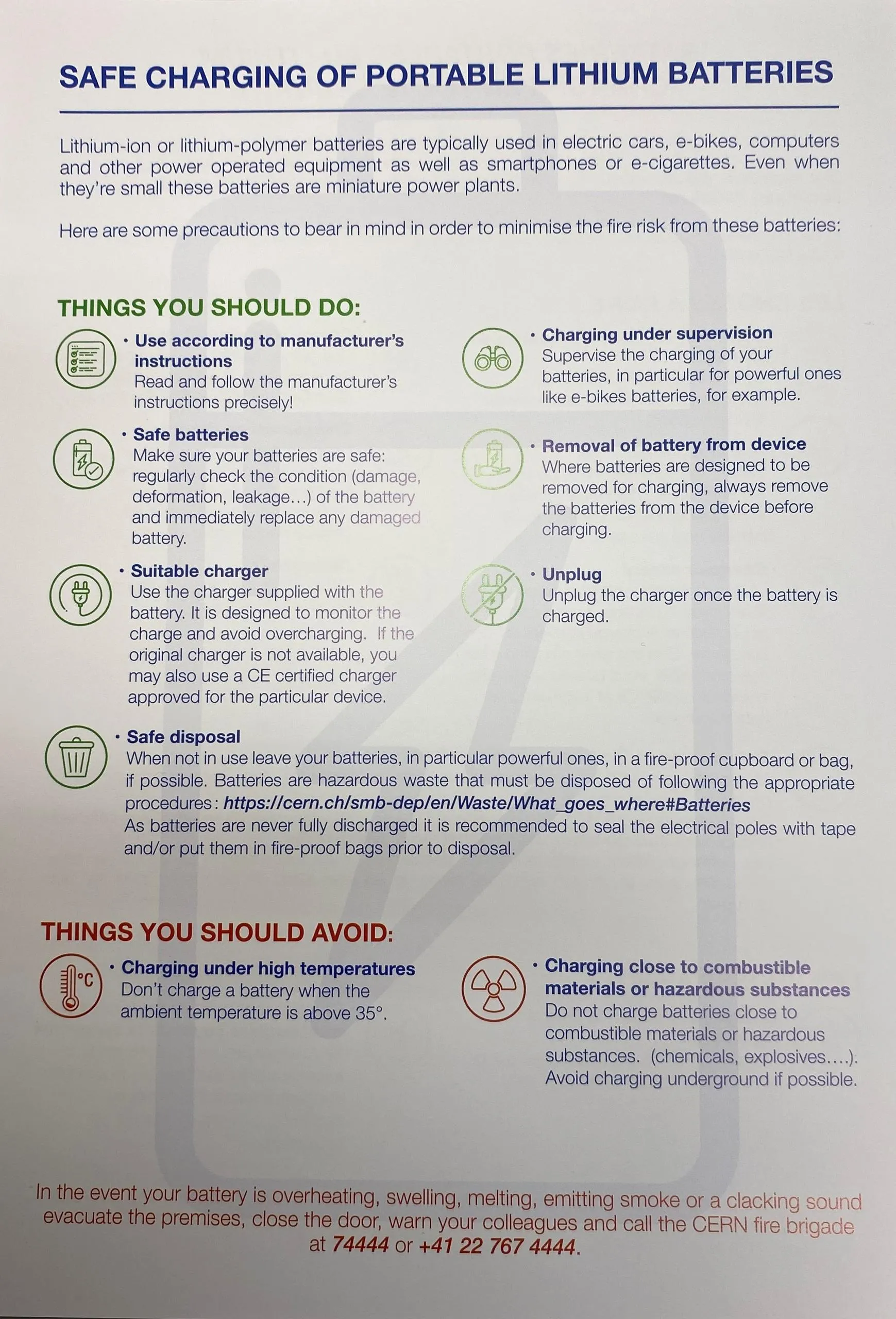
Safe charging of portable lithium batteries
LINK to the CERN bulletin article Also On At CERN